Cities face rising climate stresses—heatwaves, flooding, poor air quality, and biodiversity loss—while access to safe public spaces remains uneven. The Blue-Green Framework (BGF) helps cities work with nature, not against it.

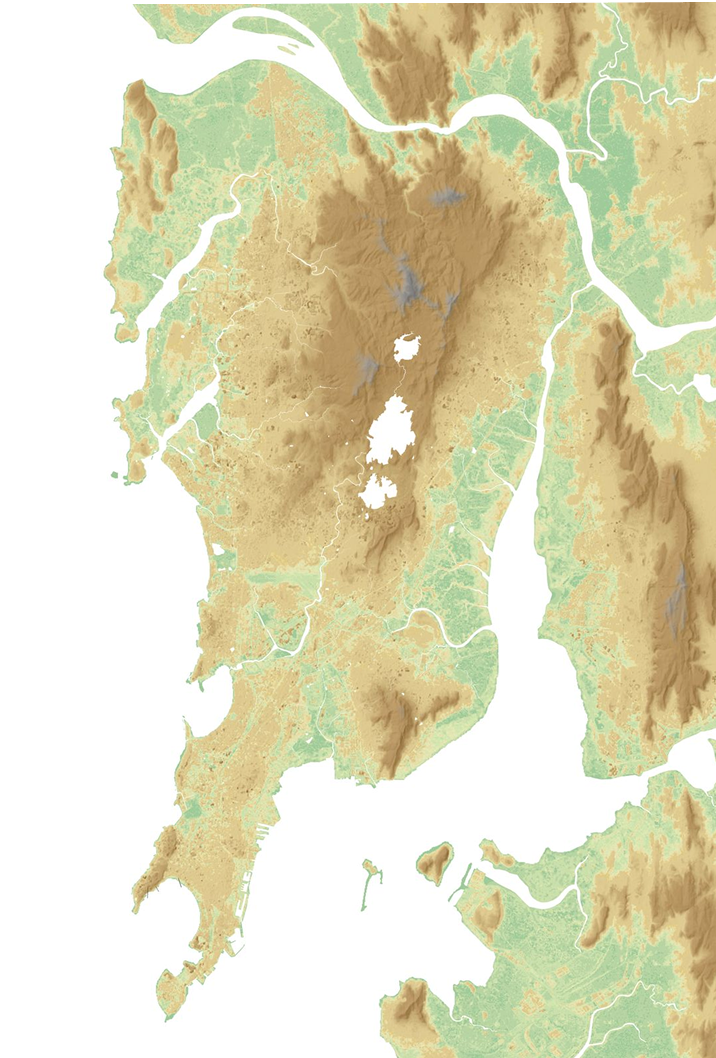
Cities face rising climate stresses—heatwaves, flooding, poor air quality, and biodiversity loss—while access to safe public spaces remains uneven.
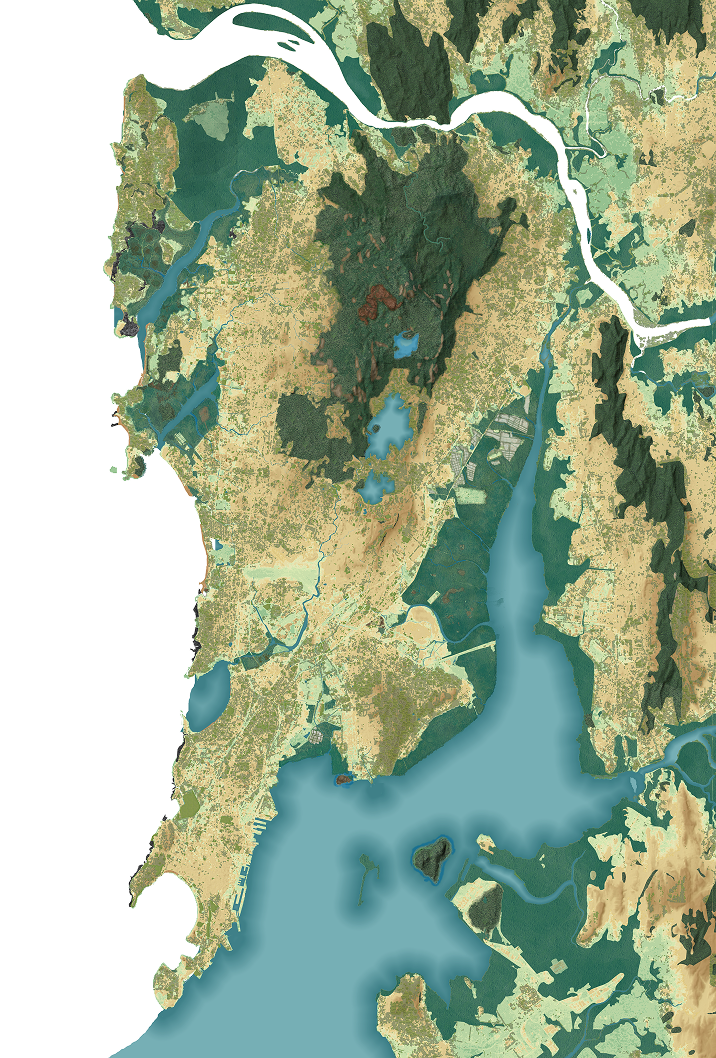
When planned together, they manage stormwater, cool urban areas, boost biodiversity, and create healthier spaces.

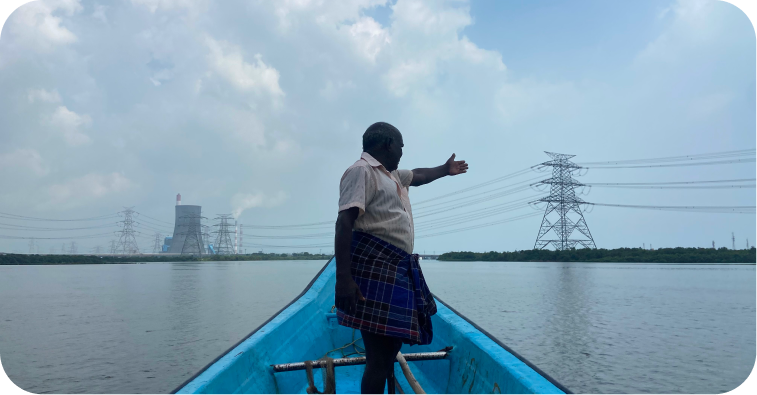
Mangroves function as nurseries for crabs, fish and birds, sustaining coastal food webs. When we protect them, we're reinforcing shoreline stability, strengthening natural systems that filter water and reduce flooding. These unique coastal forests serve as vital buffers against storms and rising sea levels.

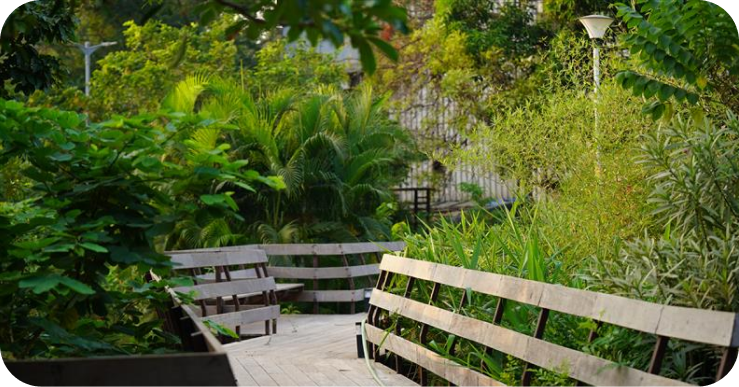
Gardens support birds, butterflies, and pollinators that keep urban ecological processes running, even at small scales. These spaces improve air quality and build healthier urban environments

Forests provide habitat for birds, mammals, and insects within layered, self-regulating systems. They moderate temperatures, store carbon, and slow runoff.

These edges sustain amphibians, fish, birds, and aquatic plants, absorbing excess rainfall and creating cooler micro climates through the urban fabric
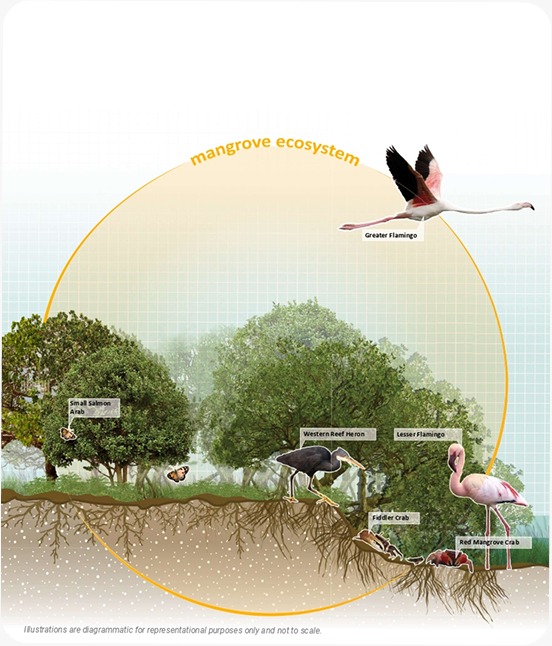
Mangroves function as nurseries for crabs, fish, and birds, sustaining coastal food webs. When we protect them, we're reinforcing shoreline stability, strengthening natural systems that filter water and reduce flooding.
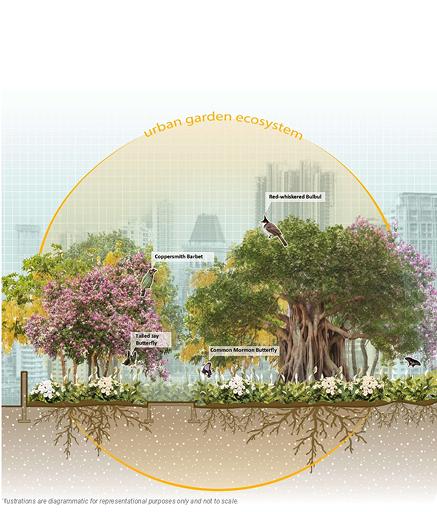
Gardens support birds, butterflies, and pollinators that keep urban ecological processes running, even at small scales. These spaces improve air quality and build healthier urban environments.
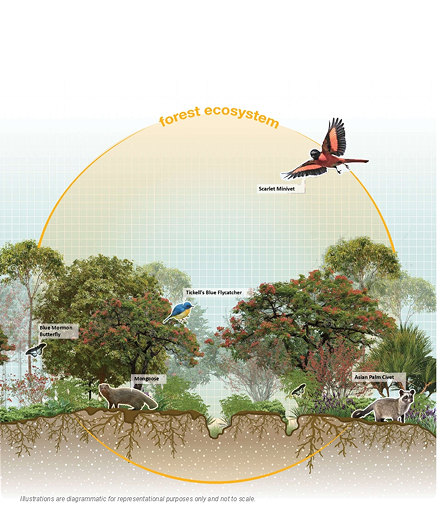
Forests provide habitat for birds, mammals, and insects within layered, self-regulating systems. They moderate temperatures, store carbon, and slow runoff.
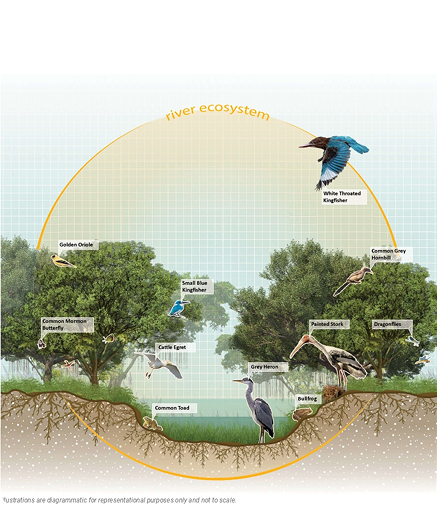
These edges sustain amphibians, fish, birds, and aquatic plants, absorbing excess rainfall and creating cooler micro climates through the urban fabric.