
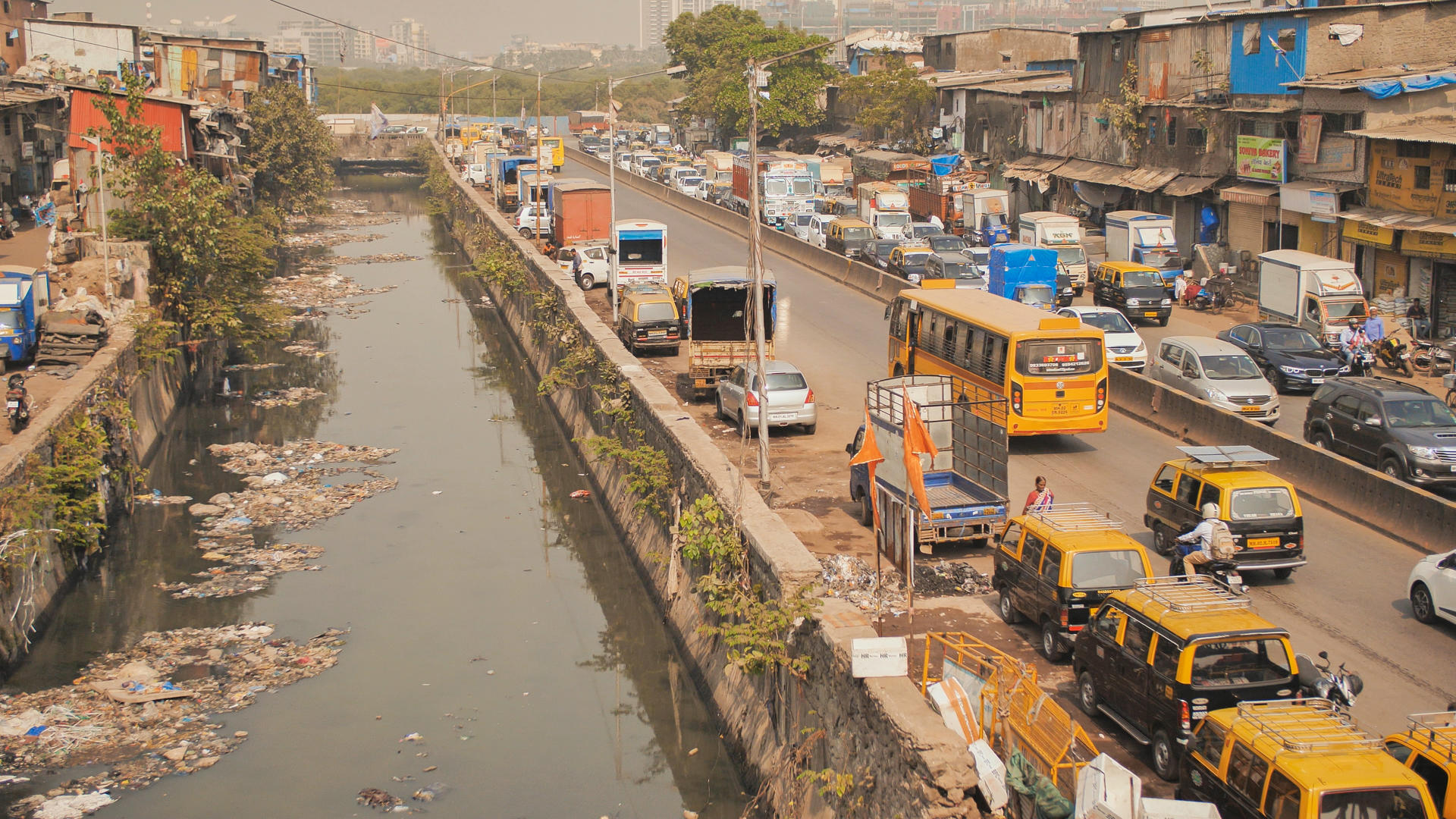
What climate challenge are we trying to resolve?
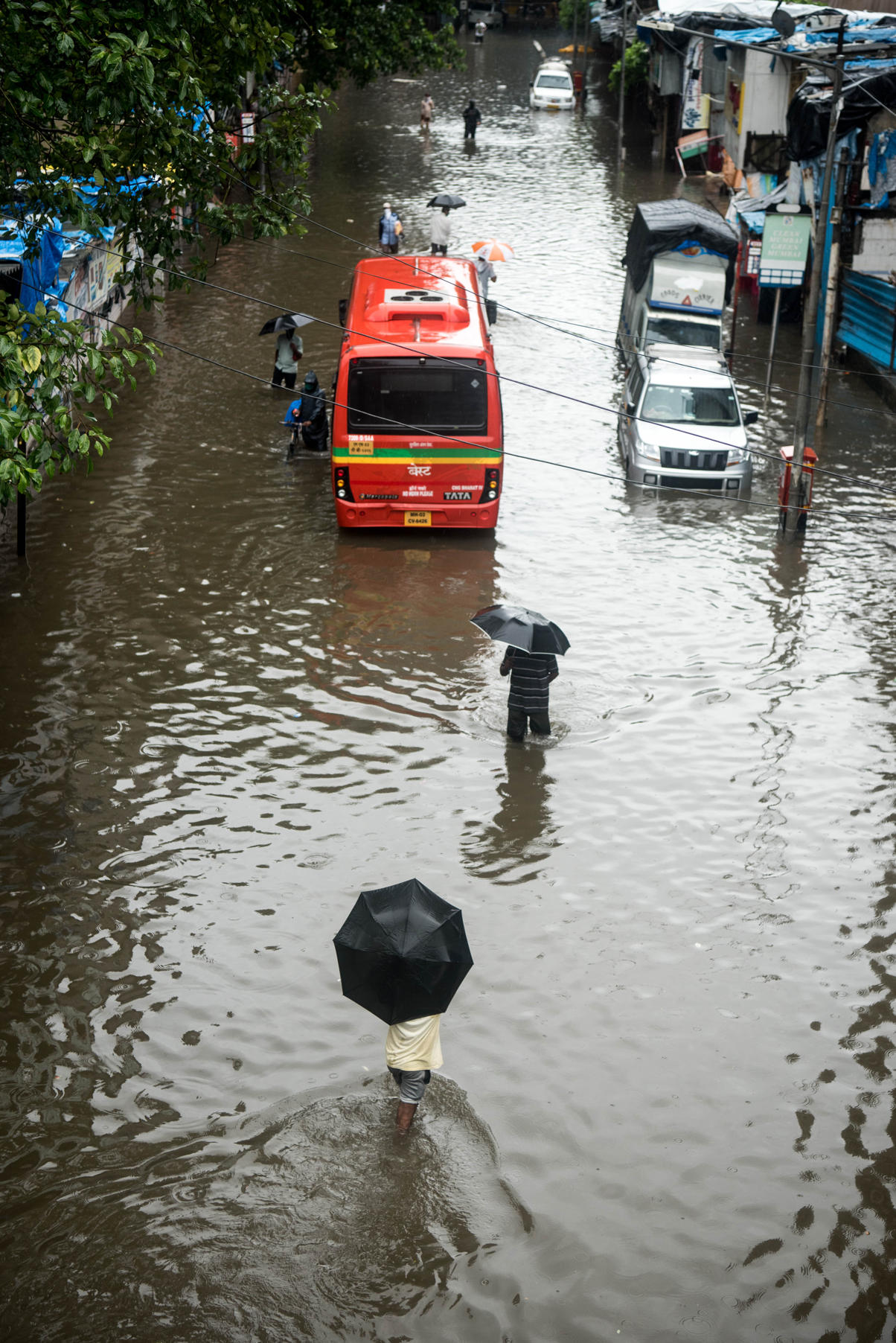
Cities face multiple vulnerabilities, making it imperative to recognize and address them at the outset – heat, flooding, air and water pollution, biodiversity loss, and land degradation. In response, design must emerge from a deep understanding of these challenges, minimizing their impact and creating safer, more climate-resilient environments for communities. By identifying which vulnerabilities are most critical for a given site, we can shape adaptive measures that reduce exposure and strengthen nature-based solutions.
Who can benefit, and how?
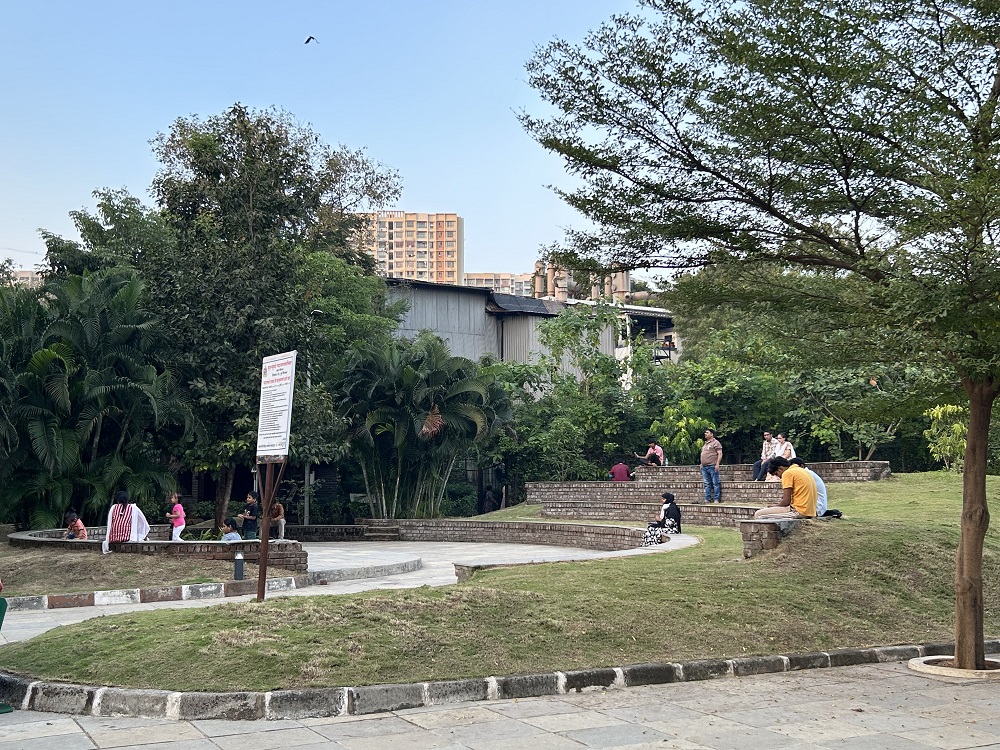
The next guiding question encourages intentional thinking about how interventions can strengthen social and community resilience. This includes creating opportunities for livelihoods and employment, improving access and recreation, enhancing health and wellbeing and celebrating community identity and cultural significance.
Where (and at what scale) can we intervene to make an impact?
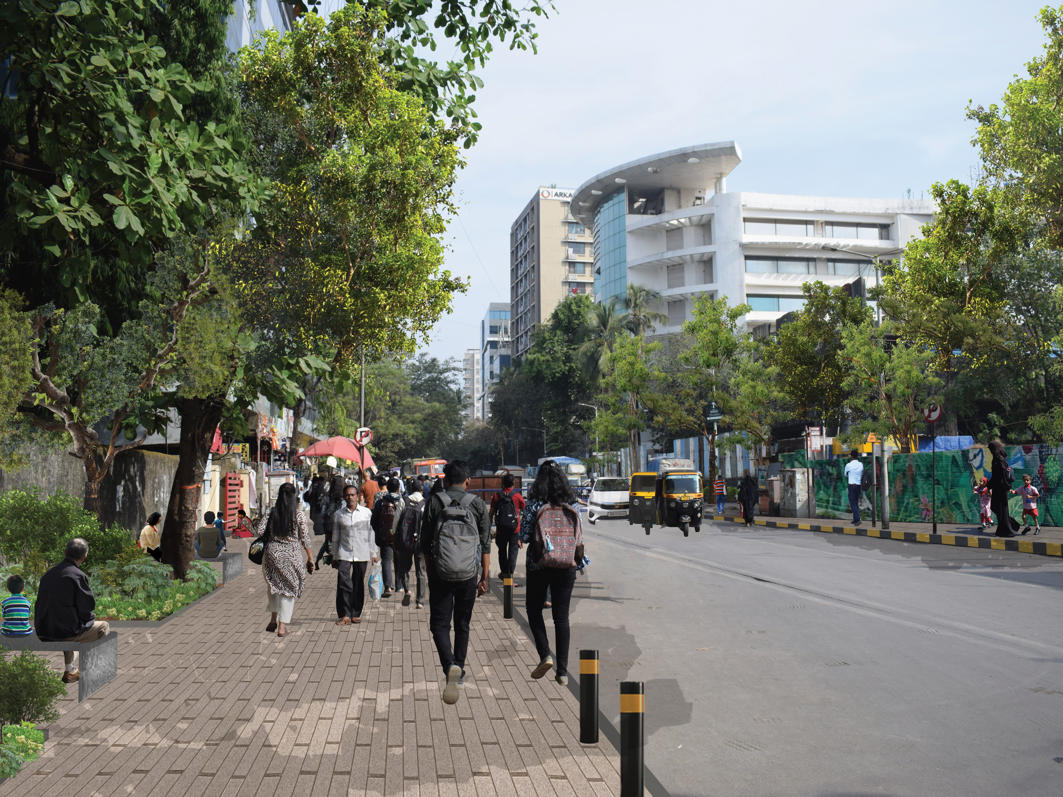
Here, we can start to identify where change can begin and who shapes the landscape. By observing open spaces, streets, informal settlements, and buildings, we locate physical sites with potential for transformation – from vacant lots and shaded street corners to terraces or sloping grounds.
What does nature suggest we do?
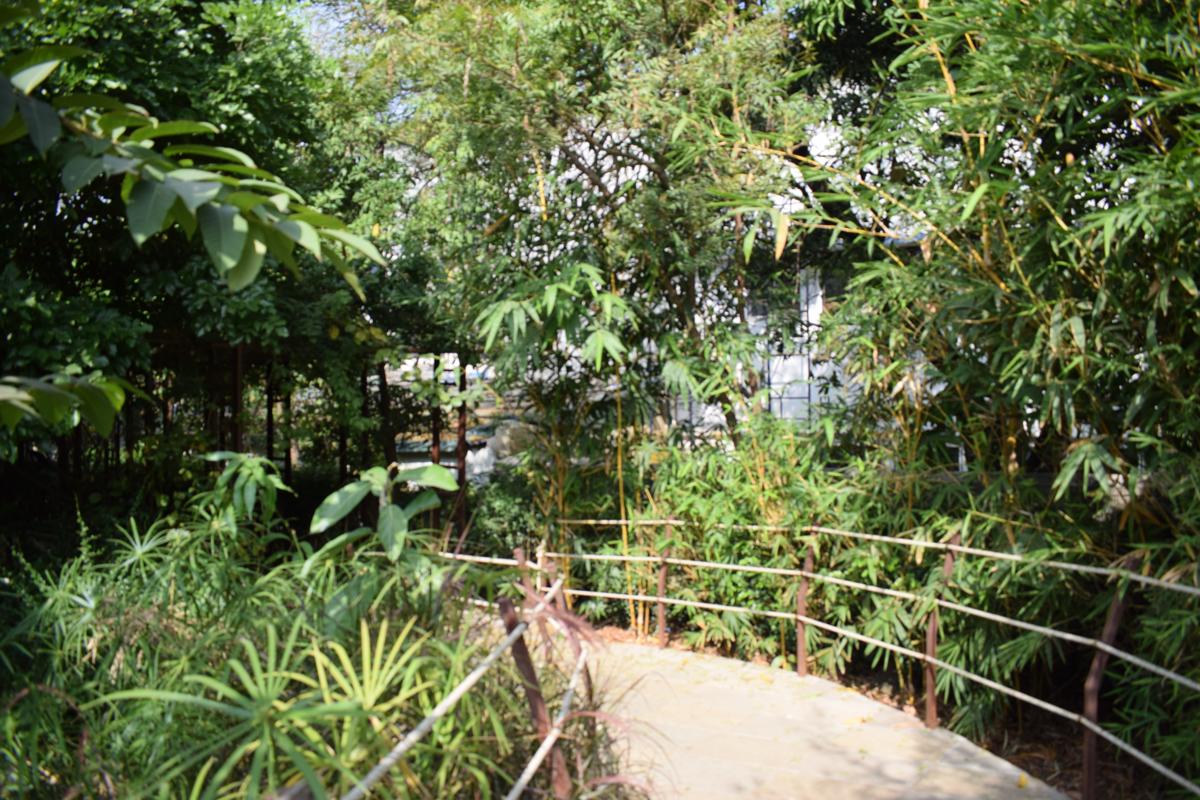
Nature offers clues for climate-responsive design. By mapping ecological assets – mangroves, forests, rivers, lakes, and coastlines – we reconnect with each site’s ecological memory of what once thrived and what could return.
What systems must support and sustain the solution?
For any intervention to last, urban systems must work together – waste, water, drainage, sanitation, and energy. Recognizing the invisible flows of resources and infrastructure links each action to a larger, regenerative network.
What climate challenge are we trying to resolve?
Cities face multiple vulnerabilities, making it imperative to recognize and address them at the outset – heat, flooding, air and water pollution, biodiversity loss, and land degradation. In response, design must emerge from a deep understanding of these challenges, minimizing their impact and creating safer, more climate-resilient environments for communities. By identifying which vulnerabilities are most critical for a given site, we can shape adaptive measures that reduce exposure and strengthen nature-based solutions.
Who can benefit, and how?
The next guiding question encourages intentional thinking about how interventions can strengthen social and community resilience. This includes creating opportunities for livelihoods and employment, improving access and recreation, enhancing health and wellbeing and celebrating community identity and cultural significance.
Where (and at what scale) can we intervene to make an impact?
Here, we can start to identify where change can begin and who shapes the landscape. By observing open spaces, streets, informal settlements, and buildings, we locate physical sites with potential for transformation – from vacant lots and shaded street corners to terraces or sloping grounds.
What does nature suggest we do?
Nature offers clues for climate-responsive design. By mapping ecological assets – mangroves, forests, rivers, lakes, and coastlines – we reconnect with each site's ecological memory of what once thrived and what could return.
What systems must support and sustain the solution?
For any intervention to last, urban systems must work together – waste, water, drainage, sanitation, and energy. Recognizing the invisible flows of resources and infrastructure links each action to a larger, regenerative network.